

 Back
Back








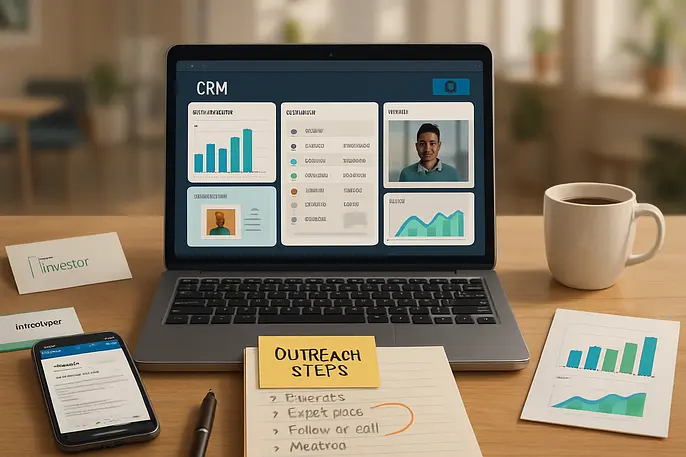
Table of Contents

Securing the right investors is a critical milestone for any startup, but the process can often feel overwhelming. With a growing array of investor outreach tools available, founders now have access to innovative solutions that simplify and enhance their fundraising efforts. From traditional methods to cutting-edge AI-driven platforms, these tools are designed to connect startups with the right investors efficiently.
Recent research shows that 60% of investors prioritize long-term growth when evaluating funding opportunities in 2025. This shift underscores the value of using specialized outreach tools that adapt to evolving investor criteria. Founders using such platforms align their strategies to meet these modern expectations.
Your approach to investor engagement is enhanced by insights from AI investor matching tools, offering an analysis of platforms that align startups with targeted investment prospects. This blog provides a comprehensive guide to seven essential tools every founder should know, blending proven strategies with modern technology.
Let’s jump right in!
Why Investor Outreach Platforms Matter for High-Growth Startups
Investor outreach tools are specialized platforms that help founders identify, connect with, and manage relationships with potential investors through data-driven research and automated workflows. Manual research through LinkedIn profiles and outdated spreadsheets no longer works when you're competing against hundreds of startups for the same investor's attention.
The move from manual research is transformative. AI-powered investor matching can cut prospecting time by 65% and improve conversion rates. This efficiency ensures founders reach ideal investors faster and with more precision.
Modern outreach platforms deliver four critical advantages:
- Time efficiency: Automated research compresses weeks of manual work into hours
- Data accuracy: Up-to-date investor information eliminates wasted outreach to wrong contacts
- Personalization at scale: Tailored messaging for dozens of investors without losing relevance
- Pipeline management: Systematic tracking of conversations and follow-ups in one place
The difference between securing meetings and getting ignored often comes down to how strategically you identify and approach the right investors.
The Best Tools For Investor Discovery
Investor discovery tools respond to a massive market. In Q2 2025, global venture funding reached $94.6B, exceeding $90B for three consecutive quarters. This momentum increases competition and highlights the need for targeted platform selection.
This section explores platforms for investor discovery. It highlights their unique features, market positioning, and practical use cases.

1. Qubit Capital: AI-Powered Investor Matchmaking
Qubit Capital leverages machine learning to align startups with investors based on industry, stage, geography, and portfolio fit, then prioritizes targets with relevancy scores to focus outreach on the best matches.
Beyond discovery, the platform streamlines engagement through automated outreach and follow-ups, while its team supports investor mapping, data rooms, and pitch materials to keep momentum high.
Since 2020, Qubit has helped 64+ startups secure over $215M, with a sweet spot from Seed to Series B (typically $150k–$30M) across the US, UK, and Europe. Ideal for founders seeking data-driven targeting paired with hands-on support to accelerate fundraising.
2. Crunchbase: A Comprehensive Database
Crunchbase remains a go-to resource for startups seeking detailed profiles of investors and companies. Its robust search filters allow users to narrow down potential investors based on industry, funding stage, and location. Founders can also track funding rounds and identify trends within their niche.
For example, a SaaS startup can use Crunchbase to pinpoint venture capitalists who have previously invested in similar businesses, streamlining their outreach efforts.
3. AngelList: Connecting Startups with Angel Investors
AngelList is another well-known platform that bridges the gap between startups and angel investors. It offers a dual-purpose approach, enabling founders to raise funds while also recruiting talent. The platform’s syndicate feature allows startups to gain access to a network of investors who pool their resources, making it easier to secure funding.
4. Signal by NFX: AI-Driven Investor Matching
Signal by NFX is an emerging tool that leverages artificial intelligence to match startups with investors. Its unique algorithm analyzes a startup’s profile and suggests investors who align with their goals. This data-driven approach minimizes guesswork and enhances the likelihood of meaningful connections.
5. Foundersuite: Streamlining Investor Management
Foundersuite is designed to help startups manage their investor pipeline more effectively. It combines a database of over 100,000 investors with tools for tracking communications and progress. Your exploration of funding strategies gains further clarity through the review of investor pipeline tools, which examines methods for effectively managing and tracking investor relationships.
6.Gust: Simplifying Early-Stage Funding
Gust is tailored for early-stage startups, offering a platform to create professional investor profiles and pitch decks. It connects founders with a global network of angel investors and venture capitalists. The platform’s focus on transparency and collaboration makes it a favorite for startups in their initial funding rounds.
Leveraging Warm Introductions and Relationship Mapping
Building on these platform capabilities, founders should prioritize warm introductions using relationship mapping tools. These tools identify mutual connections and shared networks, enabling more authentic investor engagement. Warm introductions often yield higher response rates than cold outreach, as they leverage trust and existing rapport. Integrating this strategy with platform-driven discovery enhances both the quality and effectiveness of investor conversations.
Deal Flow Platforms: Maintaining Momentum
Platforms that focus on deal flow, such as those highlighted in deal flow platforms, play a crucial role in ensuring that founders maintain momentum in the investment process. These tools streamline the sourcing of deals and help founders stay connected with potential investors, ensuring no opportunity is missed.
How to Choose the Right Tool for Your Stage and Sector
The “right” fundraising tool depends on two things: where you are in the journey, and who you are selling to. Pick tools that reduce your biggest bottleneck right now, not tools that look impressive.
1. Funding Stage Alignment
Seed-stage founders benefit most from platforms emphasizing angel networks and early-stage VC connections like AngelList and Gust, where investors actively seek high-risk opportunities. Series A and beyond typically requires more sophisticated matching and pipeline management. Qubit Capital's AI-driven approach or Foundersuite's CRM capabilities become more valuable as deal complexity increases.
2. Industry and Geography Filters
Sector-specific investor databases dramatically improve conversion rates by eliminating mismatched outreach to generalist investors outside your domain. If you're building in fintech, climate tech, or healthcare, platforms offering granular industry filters help you identify investors who understand your market dynamics. Geographic coverage matters equally, European founders targeting US investors benefit from platforms with strong cross-border data rather than region-specific tools.
3. Database Depth vs AI Recommendations
Comprehensive manual search capabilities give you control and let you apply unique insights about why specific investors fit your story. AI-powered matching trades some control for efficiency and pattern recognition that surfaces non-obvious opportunities. Most successful founders combine both approaches, using AI tools for initial list generation, then applying manual research to prioritize and personalize outreach.
4. Pricing and Scalability Considerations
Free and freemium tools like AngelList and Signal work well for solo founders managing limited outreach volume. Paid platforms typically justify their cost when you're running coordinated outreach to 100+ investors or need advanced analytics. Calculate cost-effectiveness based on your fundraising timeline, spending $200 monthly on tools that accelerate your raise by even one week easily pays for itself in saved runway.
Integrating Outreach Software With Your Fundraising Workflow
Integrating outreach software into your fundraising workflow keeps every investor touchpoint tracked, timed, and tied to the next action, so momentum does not leak. When email, LinkedIn, and meeting notes sync into one place, you can follow up faster, personalize better, and avoid duplicate or missed outreach. Let's see how you can integrate outreach software:
1. CRM Syncing and Pipeline Visibility
Connecting investor outreach data with your existing Customer Relationship Management (CRM) system creates unified visibility across your entire fundraising pipeline
Most modern platforms offer native integrations with HubSpot, Salesforce, or Airtable, automatically syncing contact information and interaction history. This integration prevents scattered information across multiple tools where critical details get lost.
2. Email Automation and Sequencing
Systematic follow-up campaigns maintain momentum without requiring you to manually track every conversation. Set up sequences that send initial outreach, wait for responses, then trigger appropriate follow-ups based on engagement or time elapsed. The key lies in balancing automation efficiency with authentic messaging, templates work for structure, but customization drives responses.
3. Secure Data Room Sharing
Integration between outreach platforms and document sharing tools like DocSend streamlines the transition from initial interest to due diligence. When an investor responds positively, you can immediately share pitch decks and financial models while tracking engagement analytics. Knowing which slides investors spend time on provides valuable intelligence for refining your materials.
4. Analytics and KPI Tracking
Monitor response rates, meeting conversion percentages, and fundraising velocity to identify what's working and where your process breaks down. If you're getting 30% open rates but only 2% meeting conversions, your targeting might be solid while your messaging falls flat. Low open rates suggest list quality or subject line issues.
Optimizing workflow is more vital than ever. In 2025, global private equity AUM soared to $10.8 trillion, marking a record high. Coordinating outreach and tracking KPIs ensures founders stand out in an increasingly competitive capital environment.
Common Mistakes Founders Make With Outreach Platforms
Founders often treat outreach platforms like a blasting tool, sending generic messages that burn their reputation and tank reply rates. They also fail to track follow ups and outcomes properly, so warm leads go cold and the funnel looks “dead” when it is really unmanaged. Here are mistakes you can avoid:
1. Relying Solely on Cold Lists
Database searches provide starting points, not complete solutions, the highest-quality investor relationships still come through warm introductions and genuine relationship building. Founders who treat outreach platforms purely as contact list generators miss the strategic layer of understanding investor motivations and portfolio gaps.
2. Ignoring Tool Data Hygiene
Outdated contact information or incorrect investor roles leads to embarrassing mistakes like emailing departed partners or pitching investors who explicitly don't fund your stage. Verify critical details through multiple sources before outreach, especially for your highest-priority targets.
3. Sending Generic Deck Attachments
Mass distribution of identical 20-slide decks without context signals low effort and gets ignored. Investors want to understand why you're reaching out to them specifically and what makes your opportunity relevant to their portfolio strategy. Prepare your initial materials, perhaps a 3-slide teaser highlighting the most relevant aspects, then offer comprehensive materials after establishing mutual interest.
4. Neglecting Compliance Obligations
Securities regulations restrict how you can solicit investment, particularly around general solicitation rules and accredited investor verification. Data privacy laws like GDPR impose requirements on how you collect and use investor contact information. While reputable platforms generally maintain compliance, founders remain responsible for understanding applicable regulations.
5. Over-Automating Outreach Without Personalization
Automating investor outreach can save time, but losing personalization risks alienating potential backers. Generic, robotic messaging often leads investors to ignore or dismiss your pitch, as it lacks the authenticity and relevance they expect. Founders should use automation tools to streamline repetitive tasks while ensuring each message is tailored to the recipient’s interests and investment history. This balance preserves genuine engagement, increases reply rates, and builds trust throughout the fundraising process.
Investor Outreach Checklist Before Hitting Send
You already know when you will follow up, and what value you will add in the next touch. To make your strategy more solid follow the steps below:
1. Research and Segment Target Investors
Verify that each investor's stated thesis, recent portfolio additions, and check size range align with your startup's profile before adding them to your outreach list. Look beyond surface-level sector tags—read investor blog posts, listen to podcast interviews, and analyze their portfolio companies to understand what actually drives their investment decisions.
2. Validate Deck, Metrics, and Traction Proof
Ensure your pitch materials are current, compelling, and substantiate every key claim with data or credible evidence. Investors spot outdated metrics or unsupported assertions immediately, destroying credibility before conversations even start.
3. Customize Outreach Email Copy
Personalize subject lines, opening paragraphs, and call-to-action for each investor segment based on your research into their interests and portfolio gaps. Templates provide structure and save time, but the first two sentences determine whether your email gets read or deleted.
4. Schedule Follow-Up Reminders
Set systematic touchpoints in your CRM for 5-7 days after initial outreach, then again at two weeks if you haven't received a response. Automated reminders prevent promising conversations from falling through the cracks during busy fundraising periods.
5. Prepare Meeting Availability
Have calendar links, video conferencing details, and next-step materials ready before sending outreach so you can respond immediately when investors express interest. Delays between initial interest and scheduled meetings create opportunities for momentum to fade or competing priorities to intervene.
Multi-Touch Outreach Campaign Best Practices
- Plan outreach sequences with 8-12 touchpoints over 3-5 weeks to maintain consistent investor engagement throughout the campaign.
- Mix communication channels including email, phone calls, and social media to reach investors where they are most responsive.
- Schedule personalized follow-ups using CRM automation to ensure timely reminders and prevent missed opportunities for connection.
- Vary calls to action in each touchpoint, such as requesting feedback, sharing updates, or inviting investors to meetings.
- Track engagement metrics for each channel to refine messaging and optimize future outreach efforts based on response patterns.
Conclusion
Choosing the right outreach tool represents just the beginning of successful fundraising, strategic execution, compelling materials, and expert guidance separate founders who close rounds efficiently from those who struggle for months. The most effective fundraising campaigns combine smart technology with human insight, using platforms to identify opportunities while applying judgment to convert interest into commitments.
If you're ready to transform your investor outreach, we at Qubit Capital can connect you with the right investors. Check out our Investor Outreach service to get started.
Key Takeaways
- Investor outreach tools combine traditional methods with AI-driven analytics to enhance funding efforts.
- A multi-channel research approach is essential for effective investor targeting.
- Platforms like CB Insights, Crunchbase, and Qubit Capital provide valuable market intelligence and engagement features.
- Utilizing both free and premium tools ensures a comprehensive investor outreach strategy.
- Founders should integrate these tools with personalized outreach methods for optimal results.
Frequently asked Questions
How does AI improve investor outreach tools?
AI-powered investor outreach tools use machine learning to match startups with relevant investors efficiently. This increases the likelihood of finding the right funding partners. AI also automates research and provides actionable insights to refine outreach strategies.