

 Back
Back









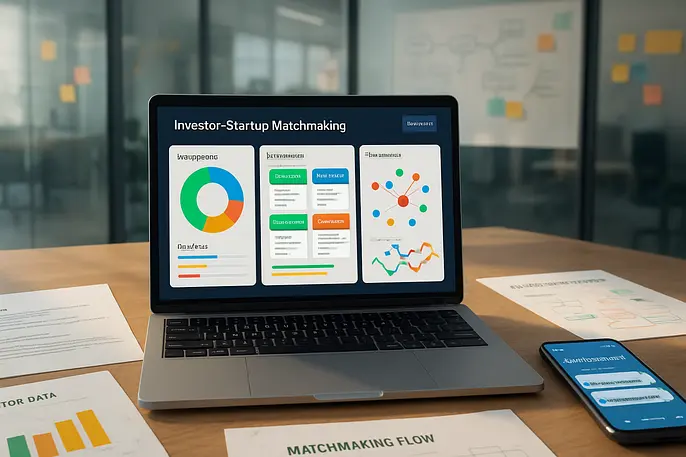
Table of Contents

Investor startup matchmaking thrives on precision, and data plays a pivotal role in making these connections meaningful. By tapping into diverse data sources and APIs, investors and startups can uncover opportunities that might otherwise remain hidden. These tools streamline the matchmaking process, ensuring that the right investors meet the right startups at the right time.
The scope of API-powered matchmaking is expanding rapidly. In a study it was found that, data enrichment market will reach up to $1.5 billion, growing at a CAGR of 12.3%. Such growth underscores the industry shift toward integrated data solutions. For founders, this signals increased opportunity and competition.
From uncovering market trends to evaluating startup potential, data integration is the backbone of informed decision-making. Ready to dive deeper into the mechanics of investor-startup synergy? Let’s jump right in.
Investor Matching Platform Overview
Investor matching platforms are revolutionizing how startups and investors connect, creating a streamlined process for identifying mutually beneficial opportunities. These platforms act as a bridge, pairing founders with the right investors by utilizing advanced data-driven tools and methodologies.
Investor matching platforms integrate APIs and data-driven tools to deliver fast, scalable connections between startups and suitable investors.
API-enabled platforms leverage modern architectures. Recent benchmarks show async architectures deliver 40% faster response times, boosting user experience. This methodology improves real-time investor–startup matches and keeps engagement high. At the core of this matchmaking process lies firmographic data (information about a company’s size, industry, and growth stage), which provides detailed insights into a company’s key attributes.
By analyzing this data, platforms can identify which investors align with a startup’s specific needs and goals. For instance, an early-stage tech startup seeking seed funding can be matched with investors who specialize in that niche. This increases the likelihood of successful collaboration.
The integration of APIs and real-time data sources further enhances the efficiency of these platforms. APIs enable seamless access to updated information, ensuring that both startups and investors are working with the most accurate and relevant data. This not only saves time but also improves the quality of matches by eliminating outdated or irrelevant connections.
Platforms employ firmographic and engagement data to improve matching accuracy and user experience.
- Create a detailed profile
- Define investment needs
- Use platform filters
- Reach out to matched investors
- Update progress regularly
For example, FinTech startup Crew raised Series A through AngelList by connecting to VC Jane Doe using the syndicate tool.
Benefits of Using an Investor Matching Platform
Expanding your network and connecting with the right investors can be a daunting task for startups. Investor matching platforms simplify this process, offering a range of benefits that go beyond traditional methods.
1. Broader Access to Investors
These platforms break geographical and industry barriers, enabling startups to connect with a diverse pool of investors. For instance, the average founder’s Visible Pipeline includes 48 investors, highlighting the importance of expanding your reach through a quality matching platform.
2. Time and Resource Efficiency
Automated systems eliminate the need for repetitive, unproductive interactions. By focusing on high-potential matches, startups save valuable time and resources that can be redirected toward business growth.
Choosing platforms wisely can prevent resource drains. In recent studies, wrong platform choice led startups to 15× higher costs and forced over 40 hours per month on infrastructure maintenance. This evidence demonstrates the critical impact good matchmaking platforms have on resource allocation.
3. Data-Driven Matching
Investor matching platforms utilize advanced data analytics to ensure objective and high-yield connections. This approach increases the likelihood of finding investors whose goals align with your startup’s vision.
Building robust data-driven matching involves sizable investment. In the US market, API integration costs range from $10,000 to $150,000 or more. This reflects how platforms prioritize scalable infrastructure for precision matching.
4. Streamlined Communication
Negotiations and discussions become more straightforward with integrated communication tools. These features centralize conversations, reducing the back-and-forth and fostering clarity in investor relations.
5. Enhanced Credibility
Being associated with a reputable platform adds an extra layer of trust. Investors are more likely to engage with startups that have been vetted and presented through a credible source.
6. Strengthened Networking Opportunities
Beyond funding, these platforms foster long-term partnerships by connecting startups with a community of like-minded professionals. This collaborative environment encourages knowledge sharing and mutual growth.
Investor matching platforms are more than just a tool, they’re a strategic asset for startups aiming to scale efficiently. By embracing these benefits, businesses can position themselves for sustainable success.
Strategies for Maximizing Investor Matching Platforms
Investor matching platforms can be a game-changer for startups seeking funding, but success depends on how effectively they are utilized. Below are actionable strategies to help startups optimize their experience on these platforms.
1. Define Your Investment Needs Clearly
Startups that articulate their funding requirements with precision are more likely to attract the right investors. Specify the amount you seek, the stage of your business, and the type of investor you prefer—whether angel investors, venture capitalists, or strategic partners. This clarity ensures alignment with investors whose goals match your vision.
2. Build a Compelling Profile
A well-crafted profile is your first impression. Include detailed information about your startup’s mission, market opportunity, and team expertise. Highlight unique aspects that differentiate your business in a competitive environment. A strong profile not only attracts attention but also increases the likelihood of meaningful connections.
3. Engage Proactively with Investors
Initiating conversations early can set the tone for productive relationships. Use the platform’s communication tools to reach out to investors whose interests align with your startup. Proactive engagement demonstrates your commitment and can accelerate the funding process.
4. Maintain Transparency
Transparency is key to building trust. Share accurate financial data, realistic projections, and any potential risks associated with your business. Investors value honesty and are more likely to form long-term partnerships with startups that prioritize openness.
5. Keep Information Up-to-Date
Regular updates ensure your profile reflects your current status and goals. This is particularly important for platforms that use algorithms to match startups with investors. Updated information improves the accuracy of matches and keeps potential investors informed about your progress.
6. Integrate with CRM and Analytics Tools
Many platforms offer native integrations or allow you to connect with popular CRM systems through APIs. Setting up these integrations enables seamless data flow between your matching platform and your internal systems. As a result, you can maintain a complete record of every investor interaction, from initial contact to closing a deal. This level of organization not only improves efficiency but also supports more personalized and timely communication.
- Connect your matching platform to a CRM to centralize investor data and streamline communication tracking.
- Use analytics dashboards to monitor engagement, such as email open rates and response times, for targeted follow-ups.
- Automate reminders and follow-up tasks based on investor activity to ensure no opportunity is missed.
- Leverage insights from engagement metrics to refine your outreach strategy and improve fundraising outcomes.
7. Engage in Platform Networking and Community Events
Beyond digital profiles and outreach, active participation in platform networking events can significantly enhance your fundraising journey. Many investor matching platforms host virtual meetups, webinars, and discussion forums designed to connect founders with investors and peers. Attending these events allows startups to showcase their progress, gain feedback, and build trust with potential backers in a more personal setting. These interactions often lead to relationships that extend beyond a single funding round, opening doors for future opportunities.
Community features such as discussion boards, mentorship programs, and knowledge-sharing sessions can also provide valuable insights. Engaging with these resources helps founders stay informed about industry trends and investor expectations. It also demonstrates a commitment to growth and collaboration, which can positively influence investor perceptions.
- Participate in platform-hosted networking events to meet investors and expand your professional network.
- Join community forums and mentorship programs to exchange knowledge and gain industry insights.
- Leverage feedback from events and discussions to refine your pitch and fundraising strategy.
- Maintain relationships with investors and peers for potential future collaborations and funding rounds.
The detailed analysis of data sources and APIs naturally complements the broader framework presented in startup scouting strategies, offering you a layered view of early-stage evaluation. This guide will explore the essential tools, platforms, and actionable strategies that power efficient matchmaking.
Platform Spotlight: Visible
Visible stands out as a dynamic platform designed to simplify how founders interact with investors. By combining proactive investor updates with advanced matchmaking capabilities, the Visible platform offers a seamless way for startups to manage their deal flow and foster meaningful connections.
One of the platform's key strengths lies in its ability to streamline communication. Founders can share consistent, professional updates with potential investors, ensuring transparency and building trust over time. At the same time, Visible’s matchmaking features help founders identify and connect with the right investors, aligning their startup’s vision with the interests of potential backers.
For founders seeking a tool that balances communication and connection, Visible offers a robust solution tailored to the fast-paced demands of startup fundraising.
Comprehensive List of Matchmaking Platforms
Platform reach matters in matchmaking. Bird demonstrates API integration at scale, connecting to billions of devices and serving 20,000+ customers globally. Their robust infrastructure highlights the impact strong APIs have in enabling platform growth and reliability.
Finding the right matchmaking platform can be a game-changer for startups seeking investors. This curated list highlights top platforms that specialize in connecting startups with investors across various funding stages and regions.
1. Gust
Gust is a global platform that caters to startups and investors alike. It offers tools for early-stage funding, including pitch creation and investor outreach. Startups can access a network of angel investors and venture capitalists, making it ideal for those in the seed funding phase.
2. AngelList
AngelList is renowned for its streamlined approach to connecting startups with investors. It focuses on early-stage funding and provides features like syndicates (groups of investors who pool resources to fund startups), its user-friendly interface and extensive investor database make it a popular choice.
3. SeedInvest
SeedInvest specializes in equity crowdfunding, allowing startups to raise capital from accredited investors. It stands out for its rigorous vetting process, ensuring high-quality matches between startups and investors. This platform is particularly suited for startups looking to scale.
4. Fundable
Fundable combines crowdfunding and traditional investment opportunities, offering startups flexibility in their fundraising approach. It caters to businesses across multiple industries and funding stages, making it a versatile option for diverse needs.
5. F6S
F6S is a comprehensive platform that supports startups with funding, mentorship, and resources. It connects startups with accelerators, investors, and grants, making it a valuable tool for early-stage ventures seeking growth opportunities.
6. Crunchbase
Crunchbase provides detailed profiles of startups and investors, enabling targeted matchmaking. Its robust data integration tools help startups identify potential investors based on industry, funding history, and location.
These platforms offer tailored features that address the unique needs of startups, from early-stage funding to growth capital. By exploring these options, startups can find the perfect match to fuel their journey.
Comprehensive List of Crowdfunding Platforms
Crowdfunding platforms have revolutionized how startups access capital, offering innovative alternatives to traditional funding methods. These platforms enable businesses to connect with a broad audience, raising funds through models like crowd equity, rewards-based campaigns, and donation-based funding.
1. Kickstarter
Kickstarter is one of the most recognized crowdfunding platforms, focusing on creative projects. It’s ideal for startups in industries like arts, design, and technology. Campaigns operate on an all-or-nothing funding model, ensuring that only fully funded projects move forward.
2. Indiegogo
Indiegogo caters to a wide range of projects, from tech innovations to community initiatives. Unlike Kickstarter, it offers flexible funding options, allowing startups to keep funds raised even if the goal isn’t met.
3. GoFundMe
GoFundMe is primarily donation-based, making it a popular choice for personal causes and community-driven projects. While not traditionally used for startups, it can be effective for businesses with a strong social impact angle.
4. SeedInvest
SeedInvest specializes in equity crowdfunding, connecting startups with accredited investors. It’s an excellent option for businesses looking to scale and attract serious investment.
5. Crowdcube
Crowdcube is a UK-based platform that focuses on equity crowdfunding. It allows startups to pitch their ideas to a community of investors, offering equity in return for funding.
6. Patreon
Patreon supports creators and artists by enabling recurring funding from fans. It’s ideal for startups in content creation, offering a subscription-based revenue model.
These platforms cater to diverse startup needs, providing flexibility in funding models and scalability. Whether you’re seeking equity investment or community support, there’s a platform tailored to your goals.
Fundraising Automation and AI Tools Overview
Streamlining fundraising processes has become more efficient with the integration of AI fundraising tools. These technologies are transforming how startups connect with investors by automating repetitive tasks and enhancing decision-making precision.
One of the standout features of fundraising automation is the use of CRM-like systems. These platforms simplify investor communications by centralizing data, tracking interactions, and enabling personalized outreach. Instead of manually managing spreadsheets or juggling multiple tools, startups can now maintain seamless communication with potential investors through a single interface.
Algorithmic analysis further elevates the fundraising process. By analyzing vast datasets, AI tools identify patterns and predict compatibility between startups and investors. This precision ensures that founders focus their efforts on the most promising opportunities, saving time and resources. For instance, AI-driven algorithms can assess investor preferences, past funding behavior, and industry focus to suggest optimal matches.
The automation of tedious tasks, such as scheduling meetings or sending follow-up emails, allows founders to dedicate more time to refining their pitch and building relationships. Combined with the analytical capabilities of AI, these tools reduce the guesswork in fundraising, making the process more strategic and outcome-driven.
Community adoption drives fundraising automation success. Appsmith proves this with 32.9k GitHub stars, demonstrating robust engagement and trust in its API-powered toolkit. Startup teams benefit from open source platforms with proven user commitment.
As the fundraising landscape evolves, adopting AI tools is no longer optional, it’s essential for startups aiming to scale efficiently. By embracing these technologies, founders can focus on what truly matters: growing their business and fostering meaningful investor partnerships.
AI-Driven Fundraising Solutions
AI adoption in fundraising is accelerating. Latest surveys reveal 88% of organizations now use AI in at least one operational domain, a major jump from previous years. For startups, this validates AI’s role in competitive fundraising strategies.
Machine learning further refines this process by continuously learning from new data. As algorithms adapt, they provide increasingly accurate insights into funding trends and investor preferences. This dynamic approach allows businesses to adjust their strategies in real-time, ensuring they remain relevant and competitive in a rapidly evolving market.
The true strength of AI-driven platforms lies in their ability to enhance matchmaking between businesses and investors. By offering deeper insights into investor profiles, these tools facilitate connections that are not only more targeted but also more likely to result in successful partnerships. This data-driven precision minimizes guesswork, saving time and resources while maximizing outcomes.
For organizations looking to stay ahead, adopting AI-driven fundraising solutions is no longer optional—it’s essential. These tools empower businesses to make informed decisions, optimize their outreach, and secure the funding they need to thrive.
Conclusion
Streamlining investor-startup matchmaking requires a combination of strategic insights and the right tools. Throughout this blog, we’ve explored key strategies and the transformative role of data sources, APIs, and advanced AI in simplifying this process. These elements not only enhance efficiency but also ensure that startups connect with investors who align with their vision and goals.
By applying these insights, you can refine your investor outreach approach and maximize the potential of your platform. Whether it’s identifying the right investors or optimizing communication, these strategies are designed to deliver measurable results.
If you're ready to enhance your investor engagement, we at Qubit Capital are here to connect you with the right opportunities. Explore our Investor Outreach service today.
Key Takeaways
- Data sources and APIs are crucial in streamlining investor–startup matchmaking.
- Investor matching platforms offer wider access and time-saving benefits.
- Actionable strategies like maintaining updated profiles and proactive engagement enhance outcomes.
- A comprehensive list of platforms helps startups choose the best fit for their needs.
- AI and automation tools further refine fundraising and investor targeting techniques.
Frequently asked Questions
How do AI tools improve investor-startup matchmaking?
AI tools enhance investor-startup matchmaking by analyzing data quickly, predicting alignment, and automating communication, saving startups time and resources.