
 Back
Back









Table of Contents

Equity crowdfunding hit $1.07 billion in 2021. That wasn’t just capital, it was thousands of early believers backing ideas before they hit the mainstream.
The latest figures show continued momentum. Global crowdfunding market was valued at $1.17 billion in 2023, with annual transaction value expected to reach $1.27 billion by 2028. This trajectory indicates steady sector growth driven by expanding platform offerings.
For startups, crowdfunding for startups isn’t just about raising money. It’s also a way to test your pitch, validate your market, and build an early customer base before launch. Crowdfunding validates startups and grows early backer communities.
This guide breaks it all down. You’ll learn how crowdfunding compares to other ways to get funding for startup ventures, what platforms work best, how regulations come into play, and what makes a campaign succeed or stall.
Which Crowdfunding Model Is Best for Your Startup?
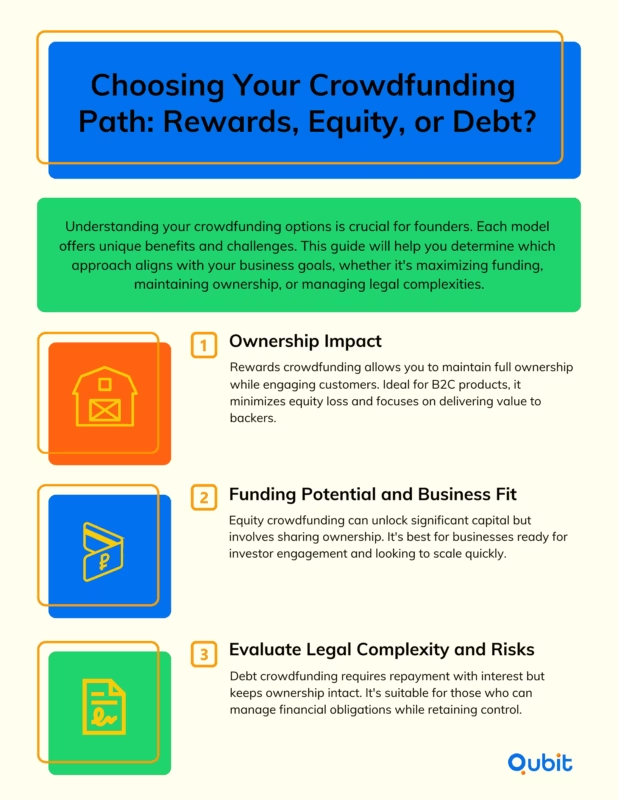
Choosing between crowdfunding and understanding angel investors pros and cons can significantly impact your startup’s funding and long-term success. The best crowdfunding model for your startup depends on your goals: use rewards crowdfunding to pre-sell products, equity crowdfunding to attract investors, or debt crowdfunding to keep full ownership.
With several options available, understanding the nuances of each model is essential for aligning your funding strategy with your business goals. This section explores the three primary crowdfunding models, rewards, equity, and debt, helping you determine which is best suited for your startup.
In addition to crowdfunding models, consider whether angel investors might be a better fit for your startup’s funding needs.
1. Rewards Crowdfunding: Pre-Sell Your Vision
Rewards crowdfunding is a popular choice for startups looking to pre-sell products or services without giving up equity. It pre-sells products; equity crowdfunding trades shares; debt crowdfunding uses loans.
Platforms like Kickstarter and Indiegogo allow entrepreneurs to present their ideas to a broad audience. Incentives include early access, exclusive merchandise, or discounts in exchange for financial support.
The primary advantage of rewards crowdfunding is its simplicity. It enables startups to validate their ideas, build a customer base, and generate buzz, all while retaining full ownership of the business. However, success often hinges on a compelling campaign and effective marketing to attract backers. For campaigns that keep rolling after launch, lean on community-led crowdfunding to sustain pledges and social proof.
An example of this is Ryan Grepper’s Kickstarter campaign that raised over $13 million for a high-tech cooler in 2014. Nearly 69,000 backers joined within a six-week window, proving mass-market appeal and rapid traction are achievable.
2. Equity Crowdfunding: Trade Ownership for Capital
For startups seeking substantial funding, equity crowdfunding offers a way to raise capital by selling shares of the company to investors. This model has gained traction thanks to relaxed regulations, making it easier for small businesses to access accredited and non-accredited investors alike. Platforms like SeedInvest and Crowdcube facilitate these transactions, connecting startups with individuals interested in owning a stake in their success.
While equity crowdfunding can provide significant financial resources, it comes with the trade-off of diluting ownership. Founders must also navigate complex legal and regulatory requirements. A nuanced perspective on campaign management emerges when considering aspects related to crowdfunding legal requirements, highlighting the regulatory factors that accompany your funding efforts.
Recent research on equity crowdfunding found the most successful startups set realistic goals. Optimal fundraising target for success was about £94,000 ($118,000 USD), according to analysis of 1,189 campaigns. This target balances ambition with credibility, positioning founders to attract wider investor pools without overreaching.
To understand where equity crowdfunding fits among other funding methods, it’s essential to explore its role alongside traditional financing options. This discussion of crowdfunding is enriched when viewed in conjunction with a broader analysis that details types of startup funding, providing you with a contextual backdrop of diverse financial options.
3. Debt Crowdfunding: Retain Ownership, Repay with Interest
Debt crowdfunding, also known as peer-to-peer lending (direct borrowing from individuals), allows startups to borrow money from individual lenders, repaying the loan with interest over time. This model is ideal for founders who prefer to maintain full ownership of their business while accessing the funds needed for growth. Platforms like Funding Circle and LendingClub specialize in connecting borrowers with lenders.
The key benefit of debt crowdfunding is that it avoids equity dilution, preserving the founder's control over the company. However, startups must demonstrate their ability to repay the loan, as failure to do so can harm their creditworthiness and reputation.
- Define your goal
- Assess market
- Align incentives
Evaluating Crowdfunding for Startups: Key Considerations
Most campaigns achieve mixed results. Kickstarter success rate sat at just 41.98% as of January 2025, meaning fewer than half reached their funding goal. This highlights the importance of strong product-market fit and compelling campaign messaging.
Crowdfunding can be a game-changer, but it’s not a one-size-fits-all solution. To decide if it’s the right fit, startups must weigh several critical factors.
1. Does Your Product Appeal to a Broad Audience?
Crowdfunding thrives on mass appeal. Platforms like Kickstarter and Indiegogo are ideal for consumer-facing products, creative ventures, or tech innovations that resonate with a wide audience. If your startup targets a niche market or operates in a B2B space, crowdfunding might not generate the traction you need.
2. Are You Ready to Commit to Campaign Planning?
Launching a successful crowdfunding campaign requires meticulous planning, from crafting compelling visuals to setting realistic funding goals. Startups must also invest time in marketing their campaigns to ensure visibility. Without a solid strategy, even the most promising ideas can fail to gain momentum.
3. Can You Offer Tangible Rewards or Equity?
Crowdfunding models typically fall into two categories: reward-based and equity-based. Reward-based platforms allow startups to offer perks or products in exchange for contributions, while equity-based crowdfunding involves giving away shares in your company. Understanding which model aligns with your business goals is crucial.
4. Do You Have Market Validation?
Crowdfunding campaigns often serve as a litmus test for market demand. If your product or idea hasn’t been validated through research or early customer feedback, it’s risky to rely on crowdfunding as your primary funding source.
For a deeper dive into how crowdfunding compares to traditional funding methods, check out our analytical comparison on crowdfunding vs traditional funding. This resource offers diverse viewpoints to help founders decide which funding route is more advantageous for their startup.
Exploring Top Crowdfunding Platforms
Crowdfunding platforms vary significantly in their approach, features, and target audiences. Below, we compare some of the leading options to help startups identify the best match for their goals.
While crowdfunding platforms offer many benefits, some startups may also consider angel investors for funding and mentorship.
A. Equity Crowdfunding Platforms
1. StartEngine
StartEngine stands out as a major player in equity crowdfunding, having facilitated over $1.2 billion in funding across 1,000 rounds. With more than 500 startup offerings, this platform is ideal for businesses seeking substantial investment from a wide pool of investors. StartEngine exemplifies how equity crowdfunding can drive significant growth for startups.
2. CircleUp
CircleUp combines equity crowdfunding with advanced analytics, helping startups make data-driven decisions. With over 500 companies raising a collective $390 billion, CircleUp is particularly suited for businesses that prioritize strategic insights alongside funding.
3. Crowdcube
For startups targeting the European market, Crowdcube is a leading choice. As one of Europe’s largest equity crowdfunding platforms, it provides access to a robust investor network. Crowdcube’s strong regional presence makes it a go-to option for startups seeking funding in Europe.
4. Wefunder
Wefunder boasts an impressive success rate of approximately 86% for campaigns, making it a reliable choice for startups aiming to secure funding through equity crowdfunding. Its user-friendly interface and high success rates make it a standout option. Visit Wefunder to explore their offerings.
Wefunder is another example of platform scale. Wefunder achievements include over $600 million raised for thousands of startups. Their broad reach demonstrates how equity crowdfunding can power growth and market entry for early-stage companies.
B. Rewards-Based Crowdfunding Platforms
1. Kickstarter
Kickstarter is synonymous with creative projects, offering startups access to a community of over 15 million backers. This platform is ideal for businesses looking to validate innovative ideas quickly. Kickstarter demonstrates the power of community-driven funding for creative ventures.
2. Indiegogo
Indiegogo provides startups with global reach, hosting over 19,000 campaigns monthly. Its flexibility in campaign types makes it a versatile option for businesses seeking rewards-based crowdfunding. Explore their worldwide platform at Indiegogo.
3. Fundable
Fundable offers a unique subscription-based model that supports both equity and rewards-based crowdfunding. This dual approach allows startups to tailor their campaigns to specific funding needs. Learn more about their structure at Fundable.
C. Community and Mission-Driven Platforms
1. Patreon
Patreon is designed for creators and community-focused startups, facilitating over $2 billion in funding through monthly subscriptions. This platform excels at building sustainable revenue streams for businesses that thrive on community engagement.
GoFundMe is a popular choice for mission-driven projects and social entrepreneurs. Unlike equity or rewards-based platforms, it relies on community support to fund initiatives. This makes it ideal for nonprofits and social ventures.
2. IFundWomen
IFundWomen specializes in supporting female entrepreneurs through a keep-what-you-raise model. This platform is tailored to women-led startups seeking funding and mentorship.
3. Mightycause
Mightycause offers an all-in-one fundraising platform for nonprofits, making it a purpose-built option for mission-driven ventures. Its streamlined tools simplify fundraising for social causes.
4. MicroVentures
MicroVentures bridges the gap between angel funding and smaller public investments. Having supported companies like Airbnb, Slack, Uber, and Lyft, it’s an excellent choice for startups seeking a hybrid approach to funding.
Each platform offers its own set of tools, from backer analytics to payment integrations. The comparison of top crowdfunding platforms helps founders understand which setup matches their campaign type.
Crowdfunding for startups offers a wealth of opportunities, but selecting the right platform is crucial to achieving your funding goals. By understanding the strengths and limitations of each option, you can make an informed decision that aligns with your business needs.
How to Compare Crowdfunding Sites and Angel Investors Pros and Cons
Choosing the right crowdfunding platform can significantly impact your campaign's success, especially when considering crowdfunding for startups. With so many options available, understanding how to evaluate these platforms is essential to finding the one that aligns with your goals.
When evaluating funding options, consider the angel investors pros and cons alongside crowdfunding platforms to make an informed decision for your startup.
Most crowdfunding campaigns run between 30 and 60 days. For most campaigns, industry campaign duration ranges from 30 to 60 days. This window remains the norm for maximizing visibility and maintaining momentum, ensuring founders set expectations appropriately.
Angel Investors and Funding Options Beyond Crowdfunding for Your Startup
Securing capital is one of the most critical steps for startups aiming to scale. While crowdfunding for startups has gained popularity, it’s essential to explore other funding avenues that can complement or even outperform crowdfunding platforms for startups.
1. Angel Investors: Personalized Support and Capital
Angel investors are individuals who provide financial backing to startups in exchange for equity. Angel investors often bring industry expertise and mentorship to the table. Angel investors for startups can help refine your business model and open doors to new networks. To attract angel investors, focus on presenting a compelling pitch that highlights your startup’s potential for growth and profitability.
2. Angel Syndicates: Pooling Resources for Greater Impact
Angel syndicates represent a collaborative approach to early-stage investing, where multiple angels pool their resources to support startups. This structure allows founders to secure larger funding rounds while simplifying investor management through nominee arrangements or syndicate leads. Syndicates often leverage collective expertise and networks, providing startups with broader mentorship and access to valuable industry connections. For investors, syndicates offer portfolio diversification and shared due diligence, reducing individual risk and workload.
When considering angel syndicate funding, founders should evaluate the syndicate’s track record, sector focus, and reputation for supporting portfolio companies. Building strong relationships with syndicate leads can unlock ongoing mentorship and strategic guidance, enhancing the startup’s chances of long-term success.
3. Venture Capital: Scaling Big
Venture capital firms specialize in funding startups with high growth potential. These firms invest larger sums than crowdfunding campaigns typically generate, making them ideal for scaling operations or entering new markets. However, venture capital comes with expectations, investors often seek significant equity and influence over business decisions. To secure venture capital, ensure your startup demonstrates scalability, a strong team, and a clear market demand for your product or service.
Key Risks of Angel Investing for Startups
Building on the differences between venture capital and angel investing, founders should recognize the unique risks involved with angel funding. Angel investments are typically illiquid, meaning it may take years to realize any returns. Startups face high failure rates, increasing the possibility of losing investor capital. Additionally, angels often expect rapid growth and clear exit strategies, which can create pressure for founders to meet ambitious milestones.
4. Bootstrapping: Retain Full Control
Bootstrapping involves using personal savings or reinvesting early profits to fund your startup. While this approach requires financial discipline, it allows founders to retain complete control over their business. Unlike crowdfunding platforms for startups, bootstrapping eliminates the need to share equity or meet external expectations. This method is particularly effective for startups with low initial costs or those aiming for organic growth.
5. Bank Loans and Grants: Traditional Yet Reliable
Bank loans and government grants remain viable options for startups seeking funding. Loans provide immediate capital, while grants offer non-repayable financial support for specific industries or projects. Researching eligibility criteria and preparing detailed applications can increase your chances of securing these funds.
Strategic Benefits of Combining Funding Methods
Diversifying your funding sources can strengthen your startup’s financial foundation. For instance, crowdfunding for startups can generate initial buzz and validate your idea, while angel investors or venture capital can provide the resources needed for long-term growth. Combining these methods ensures you’re not overly reliant on a single funding stream, reducing risks and enhancing sustainability.
Conclusion
Crowdfunding can be a powerful catalyst, validating demand, building an early customer base, and turning believers into brand advocates. But it’s only one piece of a broader funding puzzle that includes angels, syndicates, venture capital, and more traditional routes like loans and grants. The real edge comes from choosing the right mix at the right time, based on your runway, risk tolerance, and growth ambitions.
At Qubit Capital, we specialize in helping founders assess their funding options and create strategies tailored to their unique needs. If you’re ready to design a funding roadmap that actually fits your startup, book a fundraising consultation.
Key Takeaways
- Crowdfunding uniquely combines capital access with market validation for startups.
- Choosing the right model- rewards, equity, or debt, is critical to campaign success.
- In-depth platform comparisons and data-driven insights help identify the best fit for your goals.
- Strategic evaluation and clear messaging are key to leveraging crowdfunding effectively.
- Complementary funding resources can further enhance your startup’s growth trajectory.
Frequently asked Questions
What are the pros and cons of angel investors versus crowdfunding for startups?
Angel investors offer expertise and personalized support, while crowdfunding builds broad market validation. Each method has different risks and costs.