
 Back
Back








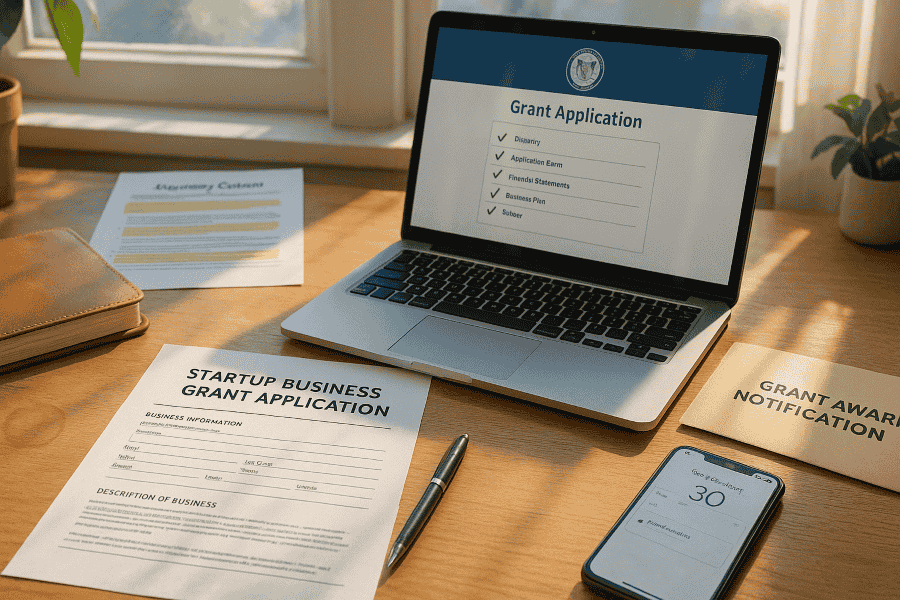
Table of Contents

Grants rarely get the hype that venture rounds do. For early-stage founders, they can still be one of the smartest funding moves. They give you cash without giving up equity. They also let you build momentum before you negotiate a valuation.
The catch is not the money. It is the process. Most startups hit a wall because they chase random programs, miss fit requirements, or drown in paperwork. And timing matters. A meaningful share of new businesses do not make it past year one, which is why non-dilutive funding can be a real survival lever.
This guide is your shortcut. It shows where grants fit inside the bigger startup funding mix. It also gives you practical steps to find the right programs and apply without getting buried in jargon. The goal is simple. Help you access opportunities that can change your runway and your growth trajectory.
Let’s jump right in and uncover the strategies, tips, and resources to help your startup thrive!
How to Secure Private and Nonprofit Grants for Your Startup
Raising money is hard, and grants can lower the pressure. Private and nonprofit grants can fund growth without giving up equity. They also help you build credibility, especially if the grant comes with mentorship or a community.
To secure a grant, you need three things working together. You need the right program fit. You need clear alignment between the grant’s goals and your business goals. You also need an application that makes your impact and execution plan easy to trust.
Why Private Grants Are Valuable
Private grants can help you scale while keeping ownership intact. That matters when you are early and valuation is still fragile. Many private programs also bundle support, like mentors, feedback, and networks. That support can be as valuable as the cash, especially before your next major milestone.
A good way to think about private grants is this. They reward focus and clarity. They do not reward generic stories.
Example: TD Ready Challenge (large private-grant program)
Some private grant programs are massive. The 2024 TD Ready Challenge offered ten $1 million grants for organizations building measurable solutions. The key lesson is not “go apply to this one” for every founder, rather to see that the big private-grant pools exist, and they often fund problem-driven work. If your startup has a strong impact angle, or you can partner with an eligible organization, these programs can become realistic routes to capital and credibility.
Drafting grants? keep offers consistent with startup equity compensation
Nonprofit Grants for Social Impact Startups
Nonprofit grants are a strong fit when your startup is solving a social or environmental problem. These programs often prioritize community impact, measurable outcomes, and clear use of funds. They can also give you visibility, which helps with partnerships and future fundraising.
Example: The Outrage Amplifier Grant
The Outrage runs the Amplifier Grant, with at least $5,000 awarded on a seasonal basis. Applications are accepted on a rolling basis.
This kind of grant is not only about the check. It is also about amplification. If your work is community-driven, the visibility can move your reach faster than a small budget line item.
How to Make Your Applications Stronger
- Start with fit, then write. Do not do it the other way around.
- Match the program’s goal to your business plan.
- Then show exactly what the money unlocks.
- Then prove you can execute with milestones, timeline, and measurable impact.
The Importance of Non-Dilutive Funding
For founders who’d rather not trade slices of their company for capital, non-dilutive funding is a breath of fresh air. Non-dilutive funding is the kind of support that fuels your startup’s next move, without diluting your stake or handing over control. Grants fall into this category, making them especially valuable for entrepreneurs focused on long-term growth without compromise. In a world where equity goes fast, keeping ownership intact isn’t just smart, it’s powerful.
Note: Not all startups qualify, especially those outside impact sectors or without strong community ties. Deadlines and competition can be tough.
Tips for Applying for Small Business Grants
- Research Thoroughly
- Craft a Compelling Narrative
- Highlight Social Impact
- Leverage Mentorship Opportunities
Private and nonprofit grants are more than just financial lifelines; they are stepping stones to sustainable growth and credibility. By applying for small business grants strategically, you can secure funding while preserving your equity and building a strong foundation for your startup’s future.
Government Grants: A Quiet Power Move for Startups
Scaling a startup takes cash, sometimes more than you're comfortable giving up in equity. That’s where government grants step in. They’re not just free money; they’re structured, often generous boosts that can help founders double down on building instead of chasing investors. Whether it’s federal innovation programs, state-level economic initiatives, or niche local support, there’s a growing pool of grant options designed to meet startups right where they are, across industries, stages, and visions.
1. Federal Grant Programs
Federal programs are a cornerstone for startups seeking reliable funding. Platforms like Grants.gov serve as a centralized hub, simplifying the process of identifying and applying for government grants. Entrepreneurs can explore opportunities across various sectors, from technology to agriculture, ensuring they find the right fit for their business model.
Many leading programs offer staged support. For instance, ED/IES SBIR grants provide up to $1.25 million in two phases, helping startups progress from pilot to full-scale development over several years.
Another noteworthy option is the Small Business Innovation Research (SBIR) and Small Business Technology Transfer (STTR) programs. These initiatives focus on funding research and development projects, particularly for startups working on cutting-edge technologies. By participating in these programs, businesses can secure not only funding but also partnerships with federal agencies, fostering long-term growth.
The impact of public grant support is significant. In 2021, SBIR program awards reached nearly 7,000 grants for over 4,000 U.S. startups. This shows both the breadth and national importance of government-backed innovation.
How to Register with SAM.gov for Federal Grants
- Visit SAM.gov and create an account using your business information, ensuring all details match your legal documents exactly.
- Complete the entity registration process by providing your business structure, tax identification, and banking details for verification.
- Obtain your Unique Entity ID, which is required to apply for all federal grants through Grants.gov and related platforms.
- Keep your SAM.gov registration active by updating information annually to maintain eligibility for federal funding opportunities.
Simplifying the Application Process
Applying for government grants can seem daunting, but resources are available to streamline the process. Platforms like Grants.gov feature user-friendly tools to help entrepreneurs track deadlines, compile necessary documents, and submit applications efficiently. Additionally, local business development centers often offer workshops and one-on-one consultations to demystify the application process.
Knowing how to find grants for startups ensures you can identify funding opportunities tailored to your industry and business needs.
Preventing Grant Application Fraud
Building on the application process, founders must verify the authenticity of grant sources and contacts. Always confirm that websites use official .gov domains and that emails come from recognized government addresses. Avoid sharing sensitive business information unless you have checked the legitimacy of the program through official channels. Taking these steps protects your startup from scams and ensures your efforts target real funding opportunities.
Government-backed grants are not only a source of financial support but also a way to build credibility and establish partnerships with key stakeholders. By tapping into these resources, startups can position themselves for sustainable growth and long-term success.
2. State and Local Grant Opportunities
State and local governments also offer a wealth of funding options. These grants are often tailored to regional industries, making them highly relevant for startups operating within specific geographic areas. Some states prioritize funding for renewable energy projects. Others focus on manufacturing or tourism-related businesses.
Local business development centers are invaluable resources for navigating these opportunities. They provide guidance on how to apply for government grants, ensuring startups understand eligibility criteria and submission requirements.
3. Tap Into SBDC and Nonprofit Support
After exploring state and local programs, founders should connect with Small Business Development Centers and nonprofit groups. These organizations provide free consulting, training, and grant application assistance tailored to your business needs. Leveraging their expertise can clarify requirements, improve your application, and increase your chances of securing funding. This support is especially valuable for first-time applicants navigating complex processes.
Boost Your Startup's Growth with Incubator Programs
Startup incubator programs are transformative for early-stage businesses, offering a structured environment to accelerate growth. These programs provide a wealth of resources, including mentorship, funding opportunities, and strategic guidance, all of which are crucial for refining your product development and go-to-market strategies. By participating in an incubator, startups can also enhance their ability to secure a startup grant, a vital source of non-dilutive funding.
How Incubators Drive Product Development
Incubators are designed to help startups overcome common challenges by offering hands-on support. Through access to experienced mentors, startups can gain valuable insights into refining their products and aligning them with market demands. Additionally, incubators often provide access to shared resources, such as office space, technical tools, and industry connections, which can significantly reduce operational costs and speed up development timelines.
Unlocking Funding Opportunities
One of the most compelling benefits of joining an incubator is the access it provides to funding opportunities. Many incubators have established networks of investors and grant providers, making it easier for startups to secure financial support. They also guide startups through the grant application process, ensuring proposals are well-crafted and aligned with funding criteria. Applying tips for writing grant applications can significantly improve your chances of securing funding by crafting compelling and targeted proposals.
A Launchpad for Long-Term Growth
Beyond immediate benefits, incubators serve as a launchpad for sustained growth. They help startups build a strong foundation by fostering connections with industry leaders and potential partners. This ecosystem of support not only accelerates early-stage development but also positions startups for long-term success in competitive markets.
By joining an incubator, startups gain access to a network of resources and expertise that can transform their growth trajectory. Whether you're looking to refine your product, secure a startup grant, or establish a foothold in your industry, incubator programs offer unparalleled opportunities to achieve your goals.
European founders can target significant support. ERC starting grants fund up to €1.5 million across five years, empowering teams to pursue ambitious research and growth through structured incubator or accelerator programs.
Find Creative Funding Options for Your Startup
The risk isn’t just short-term. In Canada, 41% of new businesses fail within their first five years, showing why diversifying funding sources matters. When competition is fierce or eligibility criteria become barriers, alternative financing options can provide the necessary support to bridge funding gaps. From SBA microloans to pitch competitions, these creative solutions are helping entrepreneurs diversify their financial strategies.
1. SBA Microloans: A Reliable Option for Early-Stage Startups
Small Business Administration (SBA) microloans are a practical choice for startups seeking smaller amounts of capital. On average, these loans amount to $15,391, making them ideal for covering initial expenses like equipment purchases or marketing campaigns. This funding model is particularly appealing because it offers lower interest rates compared to credit cards, reducing the financial burden on new businesses.
2. Crowdfunding: Engage Your Community
Crowdfunding platforms like Kickstarter and Indiegogo allow startups to raise funds while simultaneously building a community of supporters. This method not only provides financial backing but also validates your business idea by gauging public interest. Successful campaigns often include compelling storytelling and transparent goals, which resonate with potential contributors.
3. Pitch Competitions: Capital Without Equity Dilution
Pitch competitions, events where startups present their ideas to win funding, are an excellent avenue. Pitch competitions are excellent for funding without sacrificing ownership. Programs like TechRise in Chicago host weekly virtual events, awarding $25,000 to $50,000 to winners.
Emerging Trends in Alternative Financing
The shift toward alternative funding sources is gaining momentum as startups face increasing challenges with traditional grants. Fierce competition and strict eligibility requirements are driving entrepreneurs to explore options like microloans and pitch competitions. This trend reflects a growing need for flexible, accessible financing solutions tailored to the unique demands of early-stage businesses.
Don’t Overlook Compliance
Even with alternative funding, startups must remain mindful of reporting requirements. Whether you’re applying for grant money or securing microloans, understanding grant compliance and reporting ensures you meet post-award obligations and maintain eligibility for future opportunities.
By integrating these creative funding options into your strategy, you can overcome financial hurdles and set your startup on a path to sustainable growth.
Conclusion
A well-structured, narrative-driven grant application not only captures attention but also communicates your vision effectively. Throughout this guide, we’ve explored how to tap into private, government, and alternative funding sources, each offering unique opportunities to support your business goals. By following the actionable steps outlined, such as researching eligibility criteria, crafting a compelling narrative, and aligning your proposal with funders' priorities, you can significantly enhance your chances of success.
If you're ready to elevate your grant applications with a professional pitch deck, we can help. Explore our Pitch Deck Creation service to craft a presentation that sets you apart and secures the funding you need.
Key Takeaways
Private and nonprofit grants provide essential non-dilutive funding along with valuable mentorship.
Government grants offer structured opportunities with clear eligibility and compliance guidelines.
Startup incubator programs accelerate growth and enhance the grant application process.
Alternative funding options such as SBA microloans and pitch competitions help bridge funding gaps.
Diversifying funding sources increases your startup's capital without sacrificing equity.
Frequently asked Questions
What is non-dilutive funding for startups?
Non-dilutive funding for startups means obtaining capital without giving up ownership or equity, such as through grants and microloans.